Tensile Fabric Roofing for Factories and Warehouses
November 01, 2026 By admin
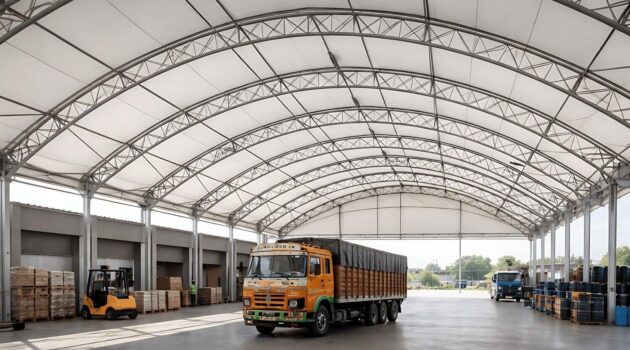
Tensile Fabric Roofing for Factories and Warehouses
Factories and warehouses require strong, practical and reliable roofing systems to protect machinery, raw materials, finished products and daily operations. Choosing the right roofing solution is essential for maintaining a suitable working environment and making effective use of available industrial space.
Today, tensile fabric roofing for factories and warehouses is becoming an attractive option for industrial and commercial properties. Its lightweight construction, flexible architectural designs and ability to cover large areas make it suitable for various industrial applications.
Unlike conventional roofing systems, tensile membrane structures use specially engineered fabrics supported by steel frameworks, cables and structural components. They can be designed according to the specific requirements of factories, warehouses, loading areas, storage facilities and industrial premises.
At Global Tensile Structure, we understand the importance of selecting the right roofing solution for different industrial applications. In this article, we explain the benefits, materials, applications and important considerations when choosing tensile fabric roofing for your factory or warehouse.
What Is Tensile Fabric Roofing?
Tensile fabric roofing is an architectural roofing system that uses a tensioned membrane supported by a specially designed structural framework.
The fabric is stretched and secured using steel structures, cables, support columns and other components to create a stable covered space.
These structures can be customised in different shapes and sizes depending on the building layout and industrial requirements.
Tensile fabric roofing is commonly used for:
- Factory roofing and industrial sheds
- Warehouse storage areas
- Loading and unloading zones
- Raw material storage facilities
- Manufacturing units
- Industrial walkways
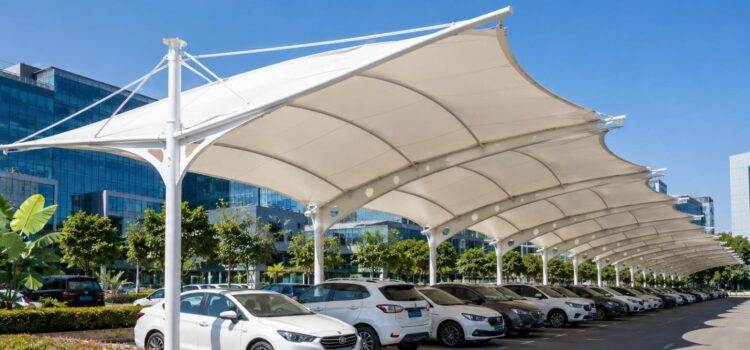
- Vehicle parking areas
- Outdoor production and working spaces
- Commercial and logistics facilities
Its flexible design makes it suitable for both new industrial projects and selected expansion or extension requirements.
Why Choose Tensile Fabric Roofing for Factories and Warehouses?
Industrial properties often require roofing systems that can cover large areas while supporting practical day-to-day operations.
Here are some important advantages of tensile fabric roofing.
1. Suitable for Large Covered Areas
One of the major advantages of tensile roofing is its ability to cover large spaces with carefully engineered structural designs.
Factories and warehouses often need open areas for machinery, storage, vehicle movement and material handling.
Tensile structures can be designed with suitable spans and support arrangements according to the available space and engineering requirements.
This makes them a useful option for industrial facilities that require flexible covered spaces.
2. Lightweight Roofing Construction
Tensile membrane roofing is generally lightweight compared with many conventional concrete roofing systems.
A properly engineered tensile structure can reduce the dead load associated with the roofing membrane itself.
This can be useful in industrial projects where lightweight roofing solutions are preferred.
However, the supporting steel framework and foundations must still be designed to withstand all applicable structural loads.
3. Natural Light Transmission
Certain tensile fabrics allow natural daylight to pass through the membrane.
This can help reduce dependence on artificial lighting during daylight hours, depending on fabric selection, building orientation and the internal layout.
The amount of light transmission varies between materials.
Industrial property owners should select a suitable membrane based on the lighting requirements of their facility and the nature of their operations.
4. Protection from Sunlight and Rain
Factories and warehouses require effective protection against outdoor weather conditions.
Suitable tensile roofing membranes can provide protection from direct sunlight and rain when correctly designed and installed.
Proper roof slope, membrane tensioning, joints and drainage arrangements are important for effective performance.
These considerations are particularly important for warehouses storing goods and materials that require protection from moisture.
5. Flexible Architectural Designs
Tensile structures offer considerable flexibility in architectural design.
Depending on the project, they can be designed in different shapes, including:
- Curved tensile roofing
- Wave-shaped membrane structures
- Barrel-vault tensile roofs
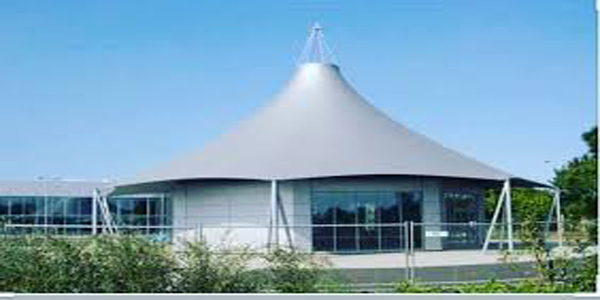
- Conical structures
- Custom industrial roofing designs
The final design should balance architectural appearance, functional requirements, structural performance and project budget.
6. Faster Project Execution Potential
Many tensile structure components can be fabricated before reaching the installation site.
This can help streamline the construction process and reduce certain on-site activities.
Actual installation time depends on the structure’s size, design complexity, foundation work, transportation and site conditions.
7. Low Maintenance Requirements
A properly selected and installed tensile roofing system can offer practical maintenance advantages.
Routine inspection and cleaning can help maintain its appearance and performance.
Maintenance requirements depend on the membrane material, environmental exposure, steel protection and manufacturer recommendations.
Types of Materials Used in Industrial Tensile Roofing
Material selection is one of the most important decisions when planning tensile fabric roofing for factories and warehouses.
Different materials offer different levels of durability, light transmission, weather resistance and performance.
1. PVC-Coated Polyester Fabric
PVC-coated polyester is widely used in tensile membrane structures.
It is commonly considered for industrial roofing, parking structures, walkways and commercial applications.
Key characteristics include:
- Flexible membrane construction
- Availability in different colours
- Good weather resistance when properly specified
- Waterproof performance when correctly fabricated and installed
- Suitability for various architectural designs
The quality of the fabric depends on its specifications, coating and manufacturing process.
2. PVDF-Coated PVC Fabric
PVDF is a protective surface coating used on certain PVC membrane fabrics.
It can improve surface cleanability and help resist environmental exposure.
It may be considered for industrial and commercial projects where long-term surface appearance and maintenance are important.
3. PTFE-Coated Fibreglass Fabric
PTFE-coated fibreglass is a premium membrane option used in specialised architectural and industrial structures.
Its important characteristics include:
- High resistance to environmental exposure
- Good dimensional stability
- Excellent fire performance
- Good cleanability
- Suitability for demanding architectural applications
The choice of membrane should always be based on project specifications, expected service conditions and budget.
Applications of Tensile Fabric Roofing in Factories and Warehouses
Tensile structures can serve different purposes across industrial and commercial properties.
Factory Roofing
Manufacturing facilities require covered areas for machinery, production activities and material handling.
Tensile fabric roofing can be designed for selected factory spaces where a lightweight and flexible roofing system is required.
Warehouse Roofing
Warehouses need suitable roofing to protect stored goods, raw materials and finished products.
Tensile membrane structures can provide large covered spaces for storage and logistics operations.
The design must consider the nature of the stored goods, moisture protection, ventilation and fire-safety requirements.
Loading and Unloading Areas
Industrial loading zones experience regular movement of trucks, forklifts and materials.
A tensile roofing structure can provide weather protection for loading and unloading activities.
It can be designed according to vehicle clearance, movement space and operational requirements.
Industrial Parking Areas
Factories and warehouses often need dedicated parking spaces for employees, visitors and commercial vehicles.
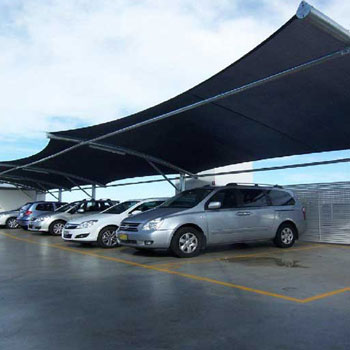
Tensile car parking structures can provide shade and weather protection while making use of available outdoor areas.
Industrial Walkways
Covered walkways help connect different sections of industrial facilities.
Tensile walkway structures can provide a practical roofing solution for pedestrian movement between buildings and work areas.
Factors to Consider Before Installing Tensile Fabric Roofing
Before choosing a tensile roofing solution, factory and warehouse owners should evaluate several important factors.
1. Project Size: Calculate the total area that needs to be covered and identify the required roof height and span.
2. Fabric Specifications: Select the membrane according to durability, waterproofing, fire performance, light transmission and environmental exposure requirements.
3. Structural Framework: The supporting steel structure should be designed by qualified professionals based on applicable structural requirements.
4. Wind Load: Industrial roofing must account for local wind conditions and applicable design standards.
5. Rainwater Drainage: Proper roof slopes, gutters and drainage arrangements are essential to avoid water accumulation.
6. Foundation Requirements: Soil conditions, structural loads and site layout influence foundation design.
7. Fire Safety: Industrial facilities should consider applicable fire-safety requirements, particularly where combustible materials are stored or manufacturing processes create additional risks.
8. Future Expansion: Consider whether the roofing design can accommodate future operational or storage requirements.
A professional site assessment can help identify the most suitable design for your industrial property.
Tensile Fabric Roofing vs Traditional Industrial Roofing
Both tensile fabric roofing and conventional industrial roofing systems have their own advantages.
| Feature | Tensile Fabric Roofing | Conventional Metal Roofing |
|---|---|---|
| Construction | Tensioned membrane and supporting framework | Metal sheets and supporting framework |
| Weight | Lightweight membrane | Depends on sheet and framing specifications |
| Design | Flexible architectural shapes | Mostly conventional roof profiles |
| Natural Light | Available with selected translucent fabrics | Depends on sheet selection |
| Large Spans | Possible with engineered designs | Possible with engineered designs |
| Applications | Industrial, commercial and architectural spaces | Industrial and commercial buildings |
The right choice depends on the project budget, intended application, structural requirements, environmental conditions and maintenance expectations.
How Much Does Tensile Fabric Roofing Cost in India?
The cost of tensile fabric roofing in India depends on several factors, including the total covered area, membrane quality, steel framework, structural span, foundation requirements and installation complexity.
There is no single price applicable to every factory or warehouse project.
The following factors influence the overall project quotation:
- Type and quality of tensile fabric
- Steel grade and framework specifications
- Roof height and structural span
- Design complexity
- Site preparation and foundation work
- Transportation and installation
- Location and accessibility
- Applicable taxes and additional project requirements
Why Choose Global Tensile Structure?
Selecting the right company is important when investing in industrial tensile roofing.
Global Tensile Structure focuses on providing tensile structure solutions for residential, commercial, architectural and industrial applications.
Whether you are planning a factory roofing project, warehouse covering, industrial walkway, loading-area canopy or customised tensile membrane structure, understanding your requirements is the first step towards selecting the right solution.
When evaluating a tensile structure provider, consider:
- Experience with relevant tensile structure applications
- Quality and specifications of membrane materials
- Structural engineering and design capabilities
- Fabrication and installation arrangements
- Project photographs and previous work
- Clear quotation and project specifications
Our objective is to help clients explore suitable tensile structure solutions based on their space, functional requirements ,and budget.
Frequently Asked Questions (FAQs)
1. Is tensile fabric roofing suitable for factories?
Yes. Properly engineered tensile fabric roofing can be used for selected factory applications, including covered production areas, loading zones, walkways and outdoor industrial spaces.
2. Can tensile structures be used for large warehouses?
Yes. Tensile membrane structures can be designed for large covered warehouse areas. The required span, height, wind loads, drainage ,and structural support must be evaluated by qualified professionals.
3. Which fabric is best for industrial tensile roofing?
PVC-coated polyester is a common option for many industrial applications. PTFE-coated fibreglass is a premium alternative for specialised architectural projects. The right material depends on the performance and safety requirements.
4. Are tensile fabric roofs waterproof?
Properly specified and installed tensile membranes can provide waterproof roofing. Correct detailing, membrane tensioning, roof slope, seams and drainage are essential.
5. Can tensile roofing withstand heavy rain and wind?
Tensile structures can be engineered for site-specific wind and weather conditions. Structural calculations, suitable membrane specifications and proper drainage are essential for safe performance.
6. What is the maintenance requirement for tensile roofing?
Maintenance generally includes periodic inspection, cleaning according to manufacturer recommendations, checking structural connections and monitoring the membrane for damage.
7. How long does industrial tensile roofing last?
The service life depends on the membrane material, quality, environmental exposure, structural design, installation and maintenance. Always request product-specific service-life information and written warranty details.
8. Can tensile fabric roofing be customised?
Yes. Tensile fabric roofing can be customised according to the required area, height, shape, application and architectural design.
Get a Quote for Industrial Tensile Fabric Roofing
Are you looking for a modern roofing solution for your factory, warehouse or industrial property?
Global Tensile Structure can help you explore customised tensile roofing solutions for different industrial applications.
Contact Global Tensile Structure to discuss your project requirements and request a customised quotation.
Global Tensile Structure – Modern Tensile Roofing Solutions for Industrial and Commercial Applications.
Recent Blog