What Are Tensile Structures? Types Applications Benefits & Design Explained
October 17, 2026 By admin
What Are Tensile Structures? Types, Applications, Benefits & Design Explained
The world of modern architecture is constantly changing, and one of the more innovative ideas that is changing the face of commercial and residential spaces is the tensile structure. Tensile structures are used in stadiums, malls, resorts, parking areas, walkways, and public spaces and are known for their lightweight construction, durability, and modern look.
From stylish tensile car parking systems to elegant tensile walkway structure solutions, these structures provide both functionality and aesthetic appeal. Here, we will dive into the world of tensile structures: their various types, applications, advantages, materials, and design concepts.
What is a Tensile Structure?
The tensile structure is a system of construction that relies on tension to achieve stable and aesthetically pleasing architectural forms. The construction is usually reinforced with steel structures and durable, quality fabric membranes that are stretched tightly for strength and durability.
A tensile fabric structure is lighter, more flexible, and can be used to cover a large area, as opposed to the multiple support columns needed with the traditional concrete roof.
Tensile structures are widely employed in applications such as:
- Car parking sheds
- Walkway coverings
- Entrance canopies
- Stadium roofs
- Outdoor seating areas
- Resorts and cafes
- Exhibition centers
How Does a Tensile Structure Work?
A tensile structure’s operation is based on the dynamic equilibrium between the tension forces, which are kept in check by the use of specially engineered membranes and supporting steel cables or frameworks. The fabric is taut at all points, making the structure wind-, rain-, and sun-resistant.
The important components are the following:
- Fabric membrane
- Steel support structure
- Tension cables
- Anchor systems
This technique of the engineers makes the structure sturdy and at the same time light, which is required in the construction of modern architecture.
Types of Tensile Structures
Tensile structures come in various forms and can be used for different purposes and architectural requirements.
1. Tensile Car Parking Structures
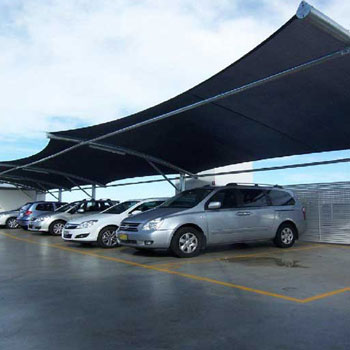
These car parking structures are one of the most popular applications today, particularly tensile car parking structures. The structures shield vehicles from the sun, rain, dust, and extreme weather and add style to commercial and residential properties.
Common locations include:
- Shopping malls
- Office buildings
- Apartments
- Hospitals
- Schools
- Hotels
The advantages of a tensile car parking structure are:
- UV protection
- Heat reduction
- Modern design
- Long-lasting performance
- Low maintenance
2. Tensile Walkway Structures
A tensile walkway structure is intended to provide sheltered walkways in the public and business sectors. These structures offer a level of comfort and safety and provide a touch of elegance to the building.
Applications include:
- Airports
- Metro stations
- Schools
- Hospitals
- Corporate campuses
- Resorts
These walkway structures are extremely durable and are suitable to be used outdoors.
3. Tensile Fabric Structure
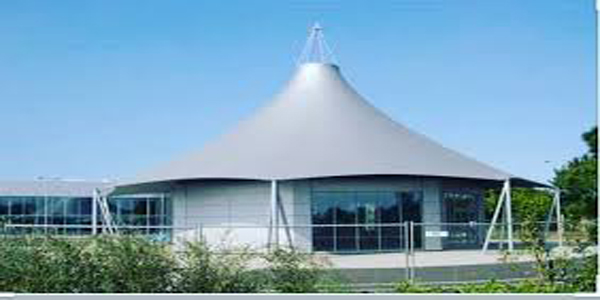
Tensile fabric structure involves the use of special engineered membrane fabrics that are stretched over steel and/or cable systems. They are durable, lightweight, and easily personalized.
Common fabric materials are:
- PVC-coated polyester
- PTFE fabric
- HDPE fabric
- ETFE membranes
These are often structures that are used for:
- Amphitheaters
- Sports complexes
- Cafeterias
- Event spaces
- Commercial entrances
4. Tensile Roof Structures
Tensile roof structures can be used for a large span of coverage. These roofs offer comprehensive shade while keeping an attractive and modern look.
They’re typically found in:
- Stadiums
- Swimming pools
- Convention centers
- Industrial areas
5. Tensile Canopy Structures
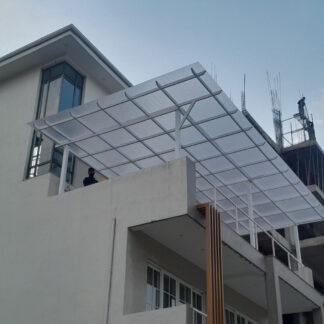
Ideal for entrances, terraces, and outdoor seating areas, canopy tensile structures can offer a dramatic, awe-inspiring roofing solution. They offer shelter from weather elements and add to the building’s aesthetics.
Materials Utilized in Tensile Structures
Materials are one of the most important aspects affecting the longevity and function of a tensile structure.
Fabric Membranes
The membrane is the most important component in a tensile fabric structure. Common materials include:
- PVC Fabric: Affordable and durable, UV-resistant, appropriate for commercial use
- PTFE Fabric: Premium quality material, excellent weather resistance, long lifespan
- HDPE Fabric: Lightweight and breathable, ideal for parking and shading
Steel Framework
Tensile systems are made strong and stable with steel structures. Corrosion is usually prevented using galvanized or powder-coated steel.
Applications of Tensile Structures
Tensile structures can be used in many industries and places due to their versatility.
Commercial Applications
Tensile structures are used in commercial buildings:
- Parking areas
- Entrance canopies
- Food courts
- Shopping malls
- Outdoor branding areas
Residential Applications
Tensile structures are installed in homes for the following:
- Car parking
- Garden shading
- Terrace covers
- Swimming pool covers
Industrial Applications
Tensile structures are used in industrial spaces for the following:
- Warehouse coverings
- Loading areas
- Worker shelters
- Outdoor storage spaces
Hospitality Sector
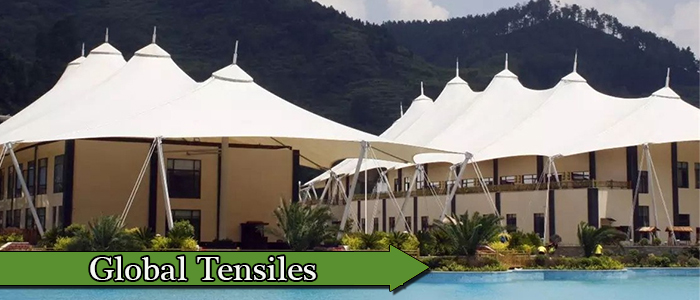
Hotels and resorts have a preference for tensile structures due to their luxurious look and usability.
Applications include:
- Poolside covers
- Outdoor dining areas
- Walkways
- Event spaces
Advantages of Tensile Structures
1. Modern Architectural Appearance
A tensile structure is a top-notch, modern addition to any home.
2. Lightweight Construction
Tensile structures are lightweight and simple to install compared to concrete roofing systems.
3. Cost-Effective Solution
Tensile structures are economical to construct and to build.
4. Weather Resistance
Quality tensile fabric structures can resist the following:
- Heavy rain
- UV rays
- Wind loads
- Dust and pollution
5. Low Maintenance
Typical tensile membranes are easy to clean and can be easily maintained.
6. Quick Installation
A tensile structure can be erected much quicker than traditional building methods.
7. Large Span Coverage
They are structures capable of covering an open area without being supported by several columns.
The Design of Tensile Structures
Tensile systems’ performance and longevity are largely determined by proper design.
Site Analysis
Wind speed, rain, space, etc., all need to be considered beforehand.
Fabric Selection
The material of membranes chosen should depend on:
- Climate conditions
- Budget
- Application type
- Expected lifespan
Structural Stability
Engineers must keep the machines tightly balanced to ensure safety and durability.
Drainage Design
Water should be drained efficiently to avoid the accumulation of water on the fabric surface.
Why Tensile Structures are Popular in Modern Architecture
Tensile structures are becoming more and more popular, as they offer several advantages, including:
- Stylish appearance
- Eco-friendly construction
- Energy efficiency
- Flexible design options
- Long-term durability
Today, architects and builders are interested in tensile systems as both functional and ornamental elements.
Tensile Structure Maintenance Tips
To get the longest possible life from your tensile structure:
- Thoroughly wash the fabric frequently.
- Check steel surfaces for corrosion.
- Remove accumulated debris.
- Inspect tension systems regularly.
- Have the professionals come out each year for upkeep.
By correctly caring for a tensile fabric structure, its lifespan can be greatly extended.
Future of Tensile Structures
With advancements in architecture and material technology, tensile structures are becoming more innovative and energy-efficient. The advent of smart fabric technologies, sustainable materials, and sophisticated engineering methods is defining the future of tensile architecture globally.
Demand for tensile car parking, tensile walkway structures, and modern tensile fabric structure solutions is projected to increase significantly in the commercial, industrial, and residential sectors.
Conclusion
The tensile structure is a contemporary architectural solution that brings together strength, flexibility, and appearance. They come in a wide range of designs and can be used in tensile car parking, commercial canopies, or even for a tensile walkway structure, all of which are durable, low-maintenance, and elegant.
Recent Blog